 Tower
TowerEvery tile below is something
we hold together.
Two runways. Four departures. One community. This is the infrastructure behind every landing.
Why does a small airport need donations?
Federal Essential Air Service funding covers scheduled carriers. It does not cover the fuel depot inspection that happens every 180 days, the ARFF equipment certification, the runway lighting system that failed in January, or the three part-time operations staff who keep the frequency staffed when the tower goes dark at night.
In the last fiscal year, $214,000 in operating costs were not covered by any federal or state line item. That gap is filled by local support, grants we write ourselves, and contributions from people who understand what this field actually does.
2025 Funding Gap — $214,000

Runway 12/30 — cleared and lit 365 days per year
Where does my contribution actually go?
Every dollar is tracked against a specific line item. We publish an annual operating report to the county. Here is where community contributions went in the last cycle:

Donor accountability
100% of community contributions stay in operations. We take no administrative percentage from donations.
What happens if the airport closes?
The UPS feeder route that delivers medical supplies, machine parts, and agricultural inputs to three counties goes with it. The nearest alternate airport is 94 miles on a two-lane state highway that closes in winter.
The county loses its only medevac landing option. The seed distributor on Route 9 — who ships 40,000 lbs of product annually through this cargo apron — relocates or closes. The four businesses that exist specifically because of business travel access here lay off a combined 23 employees.
A 2023 economic impact study commissioned by the Regional Planning Council found this airport generates $4.1 million in annual direct and indirect economic activity for the surrounding area. The annual funding gap is $214,000. That is a 19:1 return on every dollar of community support.
If we close
- —94-mile detour to nearest alternate airport
- —UPS feeder route eliminated — 3 counties affected
- —Medevac access lost for 18,000 residents
- —$4.1M in regional economic activity at risk
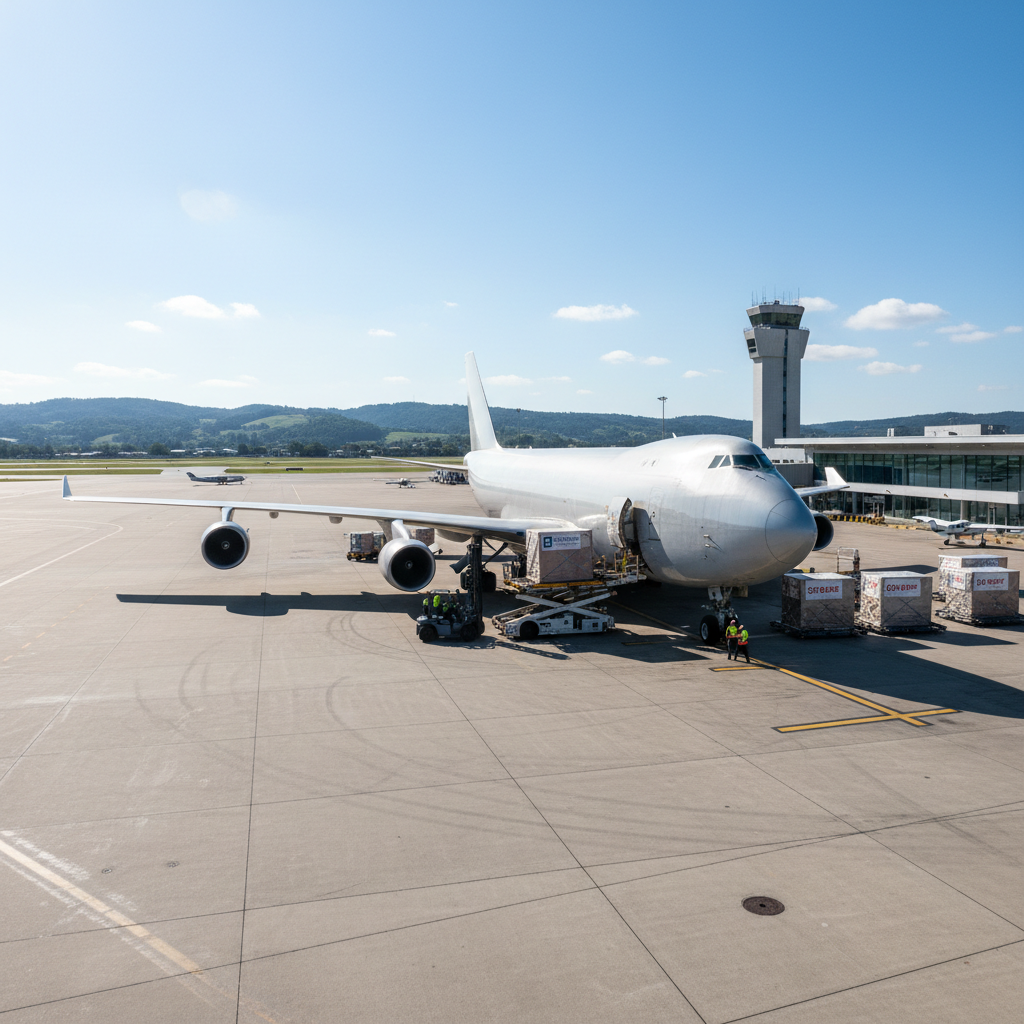
Who depends on this field every day?
The answer is not abstract. These are people with names and businesses and reasons that have nothing to do with nostalgia.
"Every cattle vaccine we use arrives through that cargo apron. When there's a disease outbreak, we need it in 48 hours, not five days by truck from Billings."
Dale Kowalczyk
Rancher, Clearwater County — 1,200 head operation
"I fly in for the county commissioners meeting twice a month. Without this airport, I'm looking at a four-hour round trip drive on a road that ices over in November."
Rep. Sandra Thibodeau
State House District 42
"We set up here specifically because of the UPS route. The day that route goes away is the day we start looking at moving the whole operation."
Marcus Delacroix
Owner, High Plains Industrial Supply — 11 employees
18,400
Residents in service area
23
Local jobs dependent on airport
40,000 lbs
Annual cargo through apron
62
Years of continuous operation
Keep this field open.
Choose what your contribution maintains. Every tier is named for what it funds. There is no overhead taken from donations.
Not a donor? Still matters.
Share this with your commissioner.
A bond allocation request from a constituent carries more weight than a grant application. We have written the email for you — with local economic data and the specific ask.
Why commissioners respond
- →19:1 economic return on support dollars
- →$4.1M regional activity at risk
- →Only medevac option in 94-mile radius